Tag: spicygo

Murgh Dum Biryani – The Slow Cooked Royal Classic

Murgh Dum Biryani – The Slow Cooked Royal Classic

The dish shown above is Murgh Dum Biryani, a luxurious and aromatic Indian rice dish prepared using the traditional dum method — slow-cooking layered basmati rice and marinated chicken in a sealed pot. This style allows all spices, herbs, and natural juices to infuse deeply, 

Dal Tadka – North India the most comforting and well-loved dishes

Dal Tadka – North India the most comforting and well-loved dishes

Dal Tadka, also known as Yellow Lentils Tempered with Cumin and Garlic, is one of the most comforting and well-loved dishes from North India. Prepared with moong dal (yellow lentils) and finished with a fragrant tempering of spices, onions, garlic, and ghee, it represents the 

Mango Kheer; an Indian Mango Indulgence

Mango Kheer; an Indian Mango Indulgence

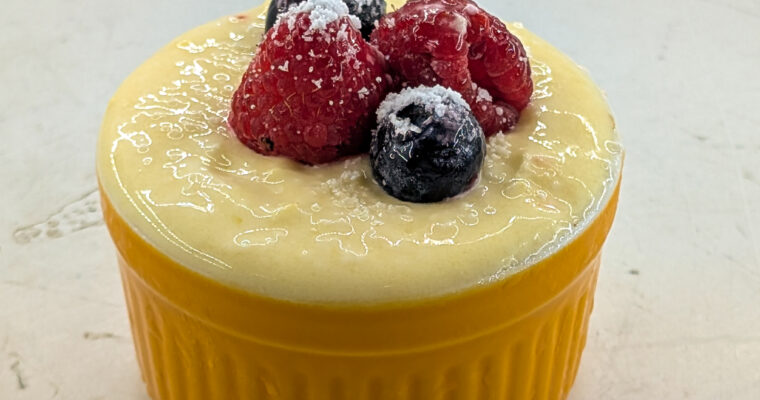
The dish in your photo is Mango Kheer, a creamy Indian-style dessert made by simmering milk with rice or vermicelli, then blending it with ripe mango purée. Your version looks modern and elegant, topped with chopped pistachios and nuts for texture.


How It Tastes

Mango Kheer is rich, silky, creamy, and naturally sweet. The mango brings a bright tropical aroma, balancing the warm notes of milk and cardamom. The slight chew from rice or vermicelli (or sabudana in some recipes) gives pleasant body, while nuts on top add crunch and fragrance.

It’s refreshing yet indulgent — often served chilled.


Short Story: Where Mango Kheer Comes From

Kheer itself dates back over 2,000 years, originating from ancient Indian temple kitchens. It was traditionally made with rice, milk, and jaggery as an offering to deities. Over centuries, as fruits became more accessible across regions, different versions emerged.

Mango Kheer likely developed in northern and western India — especially in mango-rich states like Maharashtra, Gujarat, and Uttar Pradesh — when cooks began adding fresh mango pulp during summer harvests.

Originally, kheer was plain and spiced gently with cardamom or saffron. Over time, innovation brought new textures:

  • Vermicelli (seviyan kheer)
  • Sago / tapioca pearls
  • Chilled fruit puree versions like mango, strawberry, lychee

The modern Mango Kheer has become a popular restaurant dessert, often served in glass jars or dessert bowls with nuts and edible flowers.


How It Is Served Today

Today Mango Kheer can be found in:

  • Indian restaurants (buffets, thali desserts)
  • Ramadan bazaars
  • Home celebrations
  • Modern cafés that offer fusion Indian sweets

Some chefs serve it layered with jelly, mousse, or rice pudding for a contemporary twist.


Average Price

Depending on where it’s sold:

  • Home-cooked / small stalls: SGD 2.00 – 3.50
  • Indian restaurants: SGD 4.00 – 7.00
  • Modern cafés or plated dessert style: SGD 8.00 – 14.00

Recipe: Mango Kheer (4 servings)

Ingredients

  • 1 cup ripe mango purée (Alphonso preferred)
  • 500 ml full-cream milk
  • ¼ cup sugar (adjust to mango sweetness)
  • ¼ cup fine vermicelli or 3 tbsp sago pearls or 2 tbsp short-grain rice
  • ¼ tsp cardamom powder
  • Pinch of saffron (optional)
  • 1–2 tbsp chopped pistachios + almonds (for topping)
  • Pinch of salt

Instructions

1. Cook the Base

  • In a pot, heat milk on medium.
  • Add vermicelli (or rice / sago) and cook until soft.
  • Stir continuously to avoid sticking.
  • Add sugar, cardamom, salt, and saffron. Simmer until thickened.

2. Cool Slightly

  • Turn off heat and allow the kheer to cool until warm — not hot.
    (Hot milk may curdle when mixed with mango.)

3. Add Mango

  • Fold in mango purée gently.
  • Stir until smooth and creamy.

4. Chill

  • Refrigerate for at least 1 hour for best flavor.

5. Serve

  • Pour into a bowl.
  • Top with pistachios, almonds, or cashew pieces.
  • Serve chilled.
The Smoky Magic of Baba Ghanoush

The Smoky Magic of Baba Ghanoush

If Hummus is the king of Mediterranean dips, Baba Ghanoush is undoubtedly the sophisticated queen. While they often sit side-by-side on a mezze platter, Baba Ghanoush offers a complexity that chickpeas just can’t match. It is creamy, savory, and defined by one specific flavor profile: 

Saffron Risotto – Risotto alla Milanese

Saffron Risotto – Risotto alla Milanese

This beautiful golden dish in your photo is Risotto alla Milanese, one of Italy’s most iconic rice dishes. Known for its luxurious saffron color and creamy texture, this risotto is a symbol of Milan’s rich culinary heritage. What It Tastes Like Risotto alla Milanese is: 

Vitello Tonnato – A Story of Elegance From Piedmont

Vitello Tonnato – A Story of Elegance From Piedmont


Vitello Tonnato is a dish that surprises many first-timers. Though the idea of pairing veal with tuna might sound unusual, the taste is exceptionally harmonious. The flavour is cool, delicate, creamy, slightly tangy, and deeply savory without being heavy. The veal itself is mild and tender, allowing the tonnato sauce—made from tuna, anchovies, capers, egg yolk, and lemon – to shine with a balanced umami richness.

A Brief History

Vitello Tonnato originated in the Piedmont region of Northern Italy, likely in the 19th century. Piedmontese cuisine is known for using preserved and pantry-friendly ingredients, which explains the use of canned tuna and anchovies. It was traditionally served during festive seasons such as Ferragosto (mid-August holiday), as it could be prepared ahead and served cold – perfect for warm summer days.

Over time, the dish spread throughout Italy and became a staple of holiday tables, trattorias, and family gatherings.

How the Dish Has Evolved

Originally, the veal was braised slowly in a pot with aromatics before being cooled and sliced. The sauce was prepared using hard-boiled egg yolks. Over the years, modern adaptations introduced:

  • Using roasted or sous-vide veal for a cleaner, firmer texture
  • Replacing boiled yolks with fresh yolks to create a silkier emulsified sauce
  • Adding lemon zest for brightness
  • Lighter portions for modern plating styles

Despite these changes, the heart of the dish – veal and tuna sauce – remains unchanged and universally beloved.

How It’s Served Today

Today, Vitello Tonnato appears in fine-dining restaurants, Italian bistros, and even home-style eateries. Modern presentations (like your photo) often emphasize thin, almost translucent slices arranged artistically, topped with capers, chives, and micro herbs.

Average Price

Depending on the restaurant style and ingredient quality, Vitello Tonnato typically costs:

  • Italy: €12–€20 per serving
  • Singapore: SGD $18–$32 in Italian restaurants
  • High-end fine dining: SGD $35–$48

Vitello Tonnato Recipe (Authentic + Modern Style)

Serves: 4–6

Ingredients

For the Veal:

  • 700–900 g veal loin or veal eye round
  • 1 carrot, roughly chopped
  • 1 celery stalk
  • 1 onion, halved
  • 2 bay leaves
  • 5–6 black peppercorns
  • Salt

For the Tonnato Sauce:

  • 150 g canned tuna in oil (drained)
  • 4 anchovy fillets
  • 2 tbsp capers
  • 2 egg yolks
  • 150 ml mayonnaise (or olive-oil emulsion)
  • 1 tbsp lemon juice
  • 1 tsp Dijon mustard
  • 3–4 tbsp veal cooking stock (for thinning)
  • Black pepper

Garnish:

  • Extra capers
  • Lemon zest
  • Chopped parsley or chives
  • Paprika or black pepper

Instructions

1. Cook the Veal

  1. Place veal in a pot with carrot, celery, onion, bay leaves, peppercorns, and salt.
  2. Cover with cold water and bring to a gentle simmer.
  3. Cook until tender (45–60 mins). Do not boil vigorously.
  4. Let it cool in the broth for maximum juiciness.
  5. Chill completely, then slice very thinly.

2. Prepare the Tonnato Sauce

  1. Blend tuna, anchovies, capers, egg yolks, lemon juice, mustard, and mayonnaise.
  2. Add a spoonful of veal broth at a time until the sauce becomes smooth and creamy.
  3. Season with pepper (rarely salt because anchovies and capers are salty).

3. Assemble the Dish

  1. Lay thin slices of veal on a cold plate.
  2. Spread or drizzle tonnato sauce over the meat generously.
  3. Add capers, lemon zest, herbs, and a sprinkle of paprika or cracked pepper.
  4. Chill for 30 minutes before serving—Vitello Tonnato tastes best cold.
Salade Niçoise – A Mediterranean Classic in a Bowl

Salade Niçoise – A Mediterranean Classic in a Bowl

This dish is called Salade Niçoise, a classic French salad originating from the sunny coastal city of Nice, France. In the image, the bowl features the essential elements that define this timeless recipe: tuna, anchovies, boiled potatoes, sliced tomatoes, onions, capers, and mixed greens. Fresh, 

Shrimp–Avocado Timbale with Mango Coulis

Shrimp–Avocado Timbale with Mango Coulis

Shrimp-Avocado Timbale with Mango Coulis -a refreshing, elegant, layered cold appetizer that balances creaminess, sweetness, acidity, and subtle spice. The tower is built with alternating layers of mashed or sliced avocado and lightly seasoned shrimp salad, shaped into a neat timbale. It is surrounded by 

The Creamy Classic: Authentic Hummus

The Creamy Classic: Authentic Hummus


It is the dip that conquered the world. From the mezze tables of the Levant to the lunchboxes of office workers in New York and London, Hummus has become a universal symbol of healthy, savory snacking. But before it was a supermarket staple, it was—and still is—a revered dish with deep historical roots.

What is this dish?

Hummus (specifically Hummus bi Tahina) is a smooth, creamy dip or spread made from cooked, mashed chickpeas blended with tahini (sesame paste), lemon juice, and garlic. It is traditionally finished with a generous drizzle of good olive oil and spices like cumin or paprika. While often eaten as a dip for pita bread, in its home region of the Levant, it is frequently served as a warm, substantial breakfast or dinner dish, not just an appetizer.

How It Tastes

A great hummus is a study in balance.

  • The Texture: It should be silky and airy, not pasty or heavy.
  • The Flavor: The nutty, earthy richness of the chickpeas and tahini provides a savory base. This is cut through by the sharp brightness of fresh lemon juice and the pungent kick of garlic. The olive oil adds a fruity, grassy finish that rounds everything out.

A Short Story of Its Origins

The exact origin of hummus is a topic of fierce debate—often called the “Hummus Wars”—with Lebanon, Israel, Palestine, and Egypt all claiming it as their own. However, historical evidence points to the medieval Arabic world. The earliest known written recipes for a dish resembling hummus appear in 13th-century cookbooks from Cairo. These early versions were often simple purees of chickpeas with vinegar and pickled lemons, with tahini and garlic joining the party later to create the modern version we know today.

Evolution From Past to Present

In the past, hummus was strictly a regional dish of the Middle East, often made by hand with a mortar and pestle, resulting in a slightly coarser texture. As it moved west in the 20th century, it underwent a “supermarket revolution.” Industrial production made it ultra-smooth and widely available. Unfortunately, this also led to some questionable experiments—like “chocolate dessert hummus”—that traditionalists might find shocking. Historically, it was a peasant food rich in protein; today, it is celebrated as a “superfood” suitable for vegans and health enthusiasts alike.

Where It Stands Today

Today, hummus is a global culinary icon. It has transcended its ethnic roots to become a refrigerator staple in millions of non-Middle Eastern households. In the Middle East, it remains a serious business—there are “Hummusia” (restaurants dedicated solely to hummus) where chefs spend decades perfecting their specific balance of ingredients.

Average Price Today

Hummus is famously affordable, which is part of its global appeal.

  • Supermarket Tubs: A standard tub (approx. 10 oz) typically costs between $3.00 and $5.00 USD.
  • Restaurants: In a sit-down restaurant, a fresh plate of hummus with warm pita usually ranges from $8.00 to $12.00 USD.
  • Homemade: It is incredibly cheap to make at home, costing roughly $0.60 – $1.00 per batch.

Recipe: Traditional Hummus

Origin: Greece / Middle East Yield: 2 cups

Ingredients

  • The Base:
    • 120 g Chickpeas (dried)
    • ½ tsp Baking soda (only if using canned chickpeas)
  • The Flavor Profile:
    • 2 nos. Lemon, juice only
    • 1 clove Garlic, medium-to-large, roughly chopped
    • To taste Fine sea salt
    • ½ tsp Cumin, ground
  • The Emulsifier:
    • 60 g Tahini
    • 2 to 4 tbsp Chilled water (more as needed)
  • Garnish:
    • 1 tbsp Extra-virgin olive oil
    • Optional: Sprinkle of ground sumac, paprika, or chopped fresh parsley

Instructions

1. Prepare the Chickpeas Place the chickpeas in a medium saucepan. Cover them by several inches of water and bring to a boil over high heat. Continue boiling for about 20 minutes (or longer if using dried) until the chickpeas look bloated, their skins are falling off, and they are quite soft. Tip: If using dried chickpeas, soak them overnight first. If using canned, boiling them with baking soda helps soften them for a smoother texture.

2. Drain and Cool Drain the chickpeas in a fine-mesh strainer and run cool water over them for about 30 seconds. Set them aside (no need to peel them individually!).

3. Mellow the Garlic In a food processor or high-powered blender, combine the lemon juice, garlic, and salt. Process until the garlic is very finely chopped. Let this mixture rest for at least 10 minutes—this allows the harsh raw garlic flavor to mellow out.

4. Whip the Tahini Add the tahini to the food processor (with the garlic/lemon mix) and blend until thick and creamy. While the machine is running, drizzle in 2 tablespoons of chilled water. Scrape down the sides and blend until the mixture is ultra-smooth, pale, and creamy.

5. Blend It All Together Add the cooked, drained chickpeas and the cumin to the food processor. While blending, drizzle in the olive oil. Blend for about 2 minutes until the mixture is super smooth. If it’s too thick, add more chilled water by the tablespoon until you reach your desired creamy texture.

6. Taste and Serve Taste and adjust salt or lemon if needed. Scrape the hummus into a serving bowl. Use a spoon to create those signature “swooshes” on top.

7. Garnish Top with a generous drizzle of olive oil, sumac, paprika, or parsley. Serve immediately or store in the refrigerator for up to 1 week.