Tag: Seafood Recipe

The Ultimate Comfort Duo: Grilled Ham & Cheese with Classic Deviled Eggs

The Ultimate Comfort Duo: Grilled Ham & Cheese with Classic Deviled Eggs

Sometimes, the best meals are the ones that take us back to basics. There is an undeniable magic in the combination of melted cheese, salty ham, and crisp, buttery bread. But when you pair that hot, crunchy sandwich with the cool, creamy richness of a 

The Golden Sweetness of Steamed Pumpkin Pudding (Khanom Fak Thong)

The Golden Sweetness of Steamed Pumpkin Pudding (Khanom Fak Thong)

When most people think of pumpkin desserts, they think of heavy autumn pies. But in Thailand, pumpkin is transformed into something delicate, chewy, and vibrant. This is Khanom Fak Thong, or Steamed Pumpkin Pudding. It is a dessert that perfectly captures the Thai philosophy of 

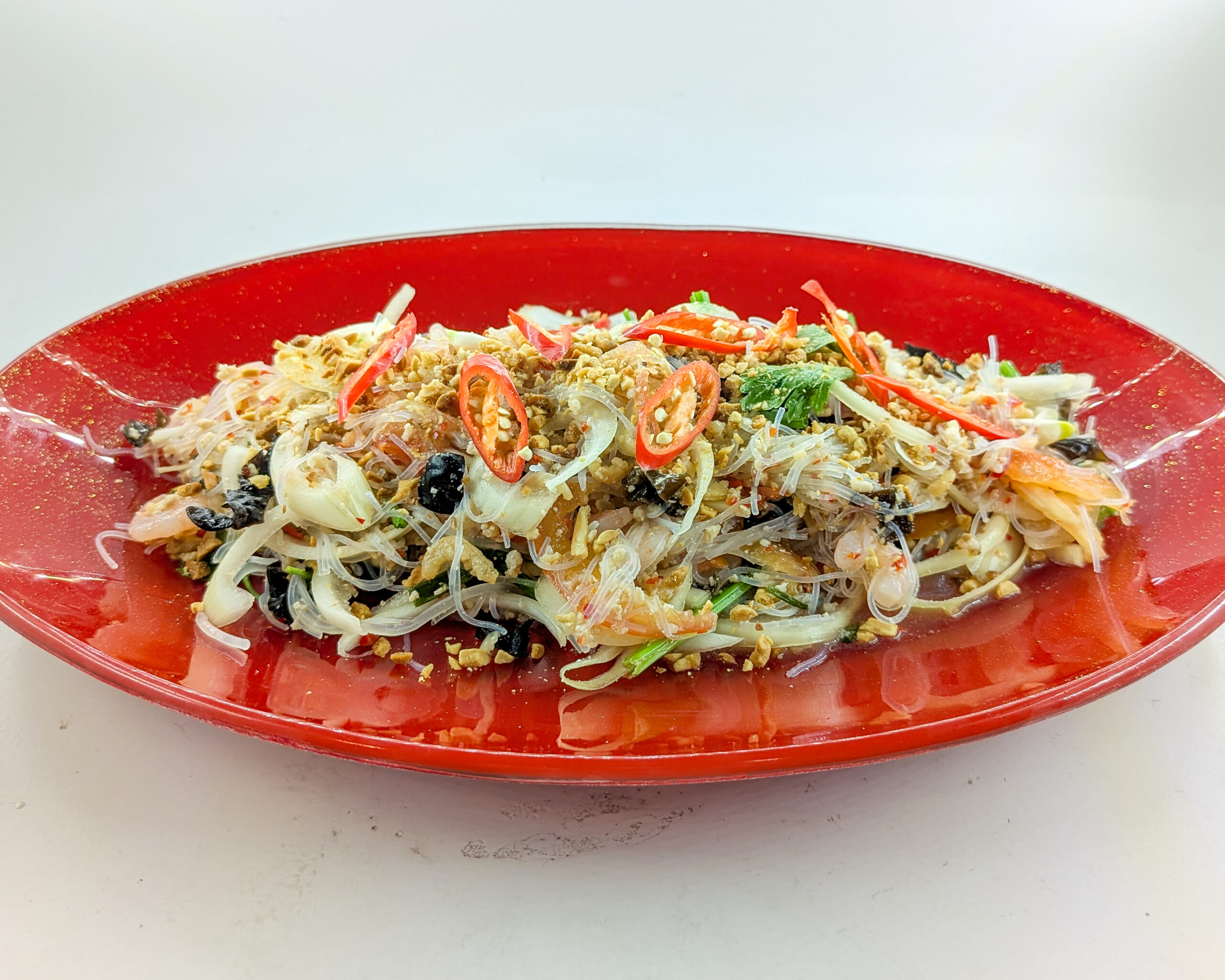
The Zesty Crunch of Spicy Mung Bean Noodle Salad (Yum Woon Sen)

The Zesty Crunch of Spicy Mung Bean Noodle Salad (Yum Woon Sen)


If you are looking for a dish that wakes up every single taste bud in your mouth, this is it. Spicy Mung Bean Noodle Salad, widely known in Thailand as Yum Woon Sen, is a vibrant explosion of textures and flavors. It is light, healthy, and packs a fiery punch that makes it the perfect appetizer or light lunch.

What is this dish?

This is a traditional Thai salad centered around glass noodles (made from mung bean starch). Unlike wheat pasta, these noodles are transparent, slippery, and chewy. They are tossed with a variety of crunchy vegetables like onions, wood ear mushrooms, and fresh herbs, then dressed in a sharp, spicy vinaigrette.

“Yum” implies a hot and sour salad, while “Woon Sen” refers to the specific glass noodles. It is often served warm or at room temperature, distinguishing it from the cold Western concept of a pasta salad.

How It Tastes

The flavor profile of this salad is the definition of the “Thai taste”—a perfect balance of four key elements:

  • Sour: From generous amounts of fresh lime juice.
  • Salty: From savory fish sauce.
  • Spicy: From fresh bird’s eye chilies.
  • Sweet: A touch of palm sugar to round out the acidity.

The texture is just as exciting. You get the slippery, soft chew of the noodles, the snap of the wood ear mushrooms, the crunch of roasted peanuts, and the crisp bite of raw onions. It is refreshing yet intense.

A Short Story of Its Origins

While noodles were introduced to Thailand by Chinese immigrants, the Yum (salad) preparation is distinctly Thai. The use of mung bean starch to make noodles dates back centuries in Asia as a way to preserve the harvest.

This specific salad originated as a way to create a meal that was light and cooling in the humid tropical heat, yet safe to eat because the meat and noodles were blanched in boiling water just before serving.

Evolution From Past to Present

Historically, this was a humble dish using local herbs and river shrimp. As Thailand globalized, the dish evolved. In the past, it might have been seasoned simply with lime and fish sauce. Today, it is a canvas for variety. You will see versions with minced pork, seafood (squid and prawns), or even hot dogs in modern Bangkok street food stalls. The core concept—spicy, sour, and glass noodles—remains unchanged.

Where It Stands Today

Today, Yum Woon Sen is a global ambassador for Thai cuisine. It is a staple on menus from high-end Bangkok restaurants to takeout spots in London and New York. It has also gained massive popularity in the health community because mung bean noodles are gluten-free and the dish is packed with fresh vegetables and low in oil.

Average Price Today

This is an accessible dish, though seafood versions cost more.

  • Street Food/Hawker: In Southeast Asia, a plate costs between $3.00 and $6.00 USD.
  • Restaurants: In Western countries or sit-down dining, expect to pay $12.00 to $18.00 USD, especially if it includes fresh seafood.

Recipe: Spicy Mung Bean Noodle Salad

Cuisine: Thai Serves: 2

Ingredients

The Base:

  • 80g Dried Mung Bean Noodles (Glass Noodles)
  • 1/4 cup Wood Ear Mushrooms (dried, soaked, and sliced)
  • 1/2 Onion, thinly sliced
  • 1 Tomato, cut into wedges (optional)
  • Small handful of Celery or Coriander leaves, cut into 1-inch lengths

The Dressing:

  • 3 tbsp Lime juice (freshly squeezed)
  • 2 tbsp Fish sauce
  • 1 tbsp Palm sugar (or white sugar)
  • 2 cloves Garlic, finely minced
  • 2-5 Thai Red Chilies, chopped (adjust to your spice tolerance)

The Garnish:

  • 2 tbsp Roasted Peanuts (unsalted)
  • Dried shrimp (optional, for extra umami)

Instructions

1. Prepare the Noodles and Mushrooms Soak the glass noodles in room temperature water for 10 minutes until soft, then cut them into manageable lengths (about 4 inches). Soak the dried wood ear mushrooms in warm water until they expand, then slice them into bite-sized strips.

2. Make the Dressing In a small bowl, mix the lime juice, fish sauce, and sugar. Stir until the sugar is completely dissolved. Add the minced garlic and chopped chilies. Taste it—it should be sour first, then salty, then sweet.

3. Blanch Bring a pot of water to a boil.

  • Add the wood ear mushrooms and boil for 1 minute. Remove with a slotted spoon.
  • Add the soaked noodles to the boiling water. Cook for only 1-2 minutes until they are clear and soft. Do not overcook or they will become mushy. Drain immediately.

4. Toss While the noodles are still warm (this helps them absorb the sauce), place them in a large mixing bowl. Add the cooked mushrooms, sliced onions, and celery/coriander.

5. Dress Pour the dressing over the noodle mixture. Toss well to ensure every strand is coated in the spicy, lime-infused sauce.

6. Serve Transfer to a serving plate. Sprinkle heavily with the roasted peanuts for that essential crunch. Serve immediately—this salad is best enjoyed fresh!

Estofado de Pollo: The Warm Hug You Can Eat

Estofado de Pollo: The Warm Hug You Can Eat

If there is one dish that defines “home cooking” across the Spanish-speaking world, it is Estofado de Pollo. This isn’t just a chicken stew; it is a masterclass in building flavor through patience. With its rich, tomato-based sauce, tender root vegetables, and aromatic spices, this 

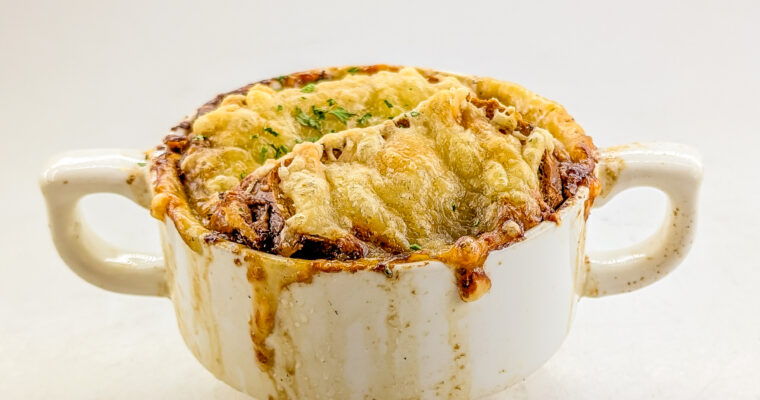
The Golden Comfort of Baked Onion Soup

The Golden Comfort of Baked Onion Soup

There is perhaps no soup in the world more satisfying to look at—and eat—than a properly made Baked Onion Soup, or Soupe à l’Oignon Gratinée. It is the definition of comfort: a deep, flavorful broth hiding beneath a cap of toasted bread and bubbling, browned 

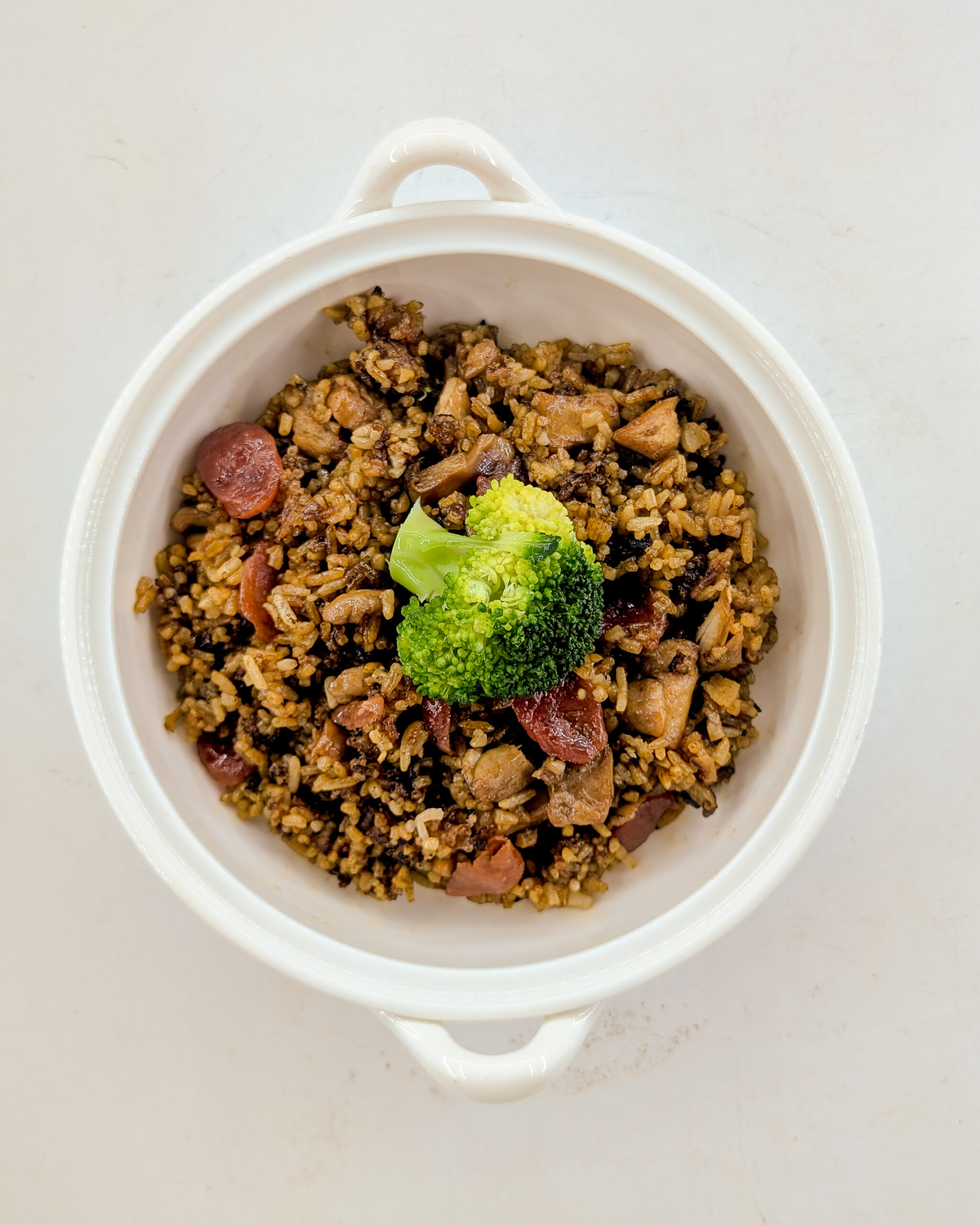
The Smoky Comfort of Chicken Claypot Rice

The Smoky Comfort of Chicken Claypot Rice


There are few things in the culinary world as satisfying as lifting the heavy lid of a clay pot and being hit with a cloud of steam smelling of sesame oil, caramelized soy, and savory chicken. Chicken Claypot Rice, or Shā Guō Fàn, is the ultimate one-pot meal. It is a dish that demands patience, but rewards you with one of the best textures in Chinese cuisine: crispy, scorched rice.

What is this dish?

Chicken Claypot Rice is a traditional Cantonese dish that is exactly what it sounds like: rice cooked with marinated chicken and other ingredients inside a clay pot. However, the pot isn’t just a serving vessel; it is the primary cooking tool. The porous nature of the clay allows heat to circulate evenly and slowly, cooking the rice to fluffy perfection while the bottom layer toasts against the hot surface.

In this version, we combine tender marinated chicken, savory Chinese sausage (lap cheong), earthy shiitake mushrooms, and a punch of salted fish to create a complex, hearty meal.

How It Tastes

The flavor profile of this dish is a deep, savory umami bomb. The rice absorbs the oils and juices from the chicken and sausages as they cook, meaning every grain is packed with flavor.

  • The Texture: It is a game of contrasts. The rice in the middle is fluffy and soft, while the rice touching the pot becomes the fan jiu—a golden, crunchy crust that is often considered the best part of the meal.
  • The Taste: The sweetness of the Chinese sausage balances the sharp, funky saltiness of the salted fish. The dark soy sauce adds a caramel-like richness, while the ginger and Shaoxing wine cut through the heaviness with aromatic warmth.

A Short Story of Its Origins

This dish hails from the Guangdong province in Southern China. Historically, it was a practical dish for working-class families. A clay pot was an inexpensive utensil that could withstand the high heat of an open charcoal fire. By cooking the rice and the meat together in one vessel, families could save on fuel and time.

Originally, it was strictly a winter dish. The clay pot retains heat for a long time, ensuring that the food stayed piping hot throughout the meal, even in drafty homes or open-air stalls.

Evolution From Past to Present

In the past, the cooking method was strictly charcoal. The chef would fan the embers to control the heat, giving the rice a distinct smoky aroma known as wok hei.

As the dish moved from village homes to bustling cities like Hong Kong, Singapore, and Kuala Lumpur, the cooking methods evolved. Today, while some traditional hawkers still use charcoal (and command long lines for it), many use gas stoves for consistency and speed. The ingredients have also evolved; while chicken and sausage are standard, luxury versions might include cured duck leg, liver sausage, or even abalone.

Where It Stands Today

Today, Chicken Claypot Rice is a beloved staple in Southeast Asian hawker centers and Cantonese restaurants worldwide. It is no longer just “survival cooking”; it is a celebrated culinary art form. It brings people together—it is almost always eaten communally, with diners scraping the bottom of the pot to share the coveted crispy rice.

Average Price Today

The price of this dish varies depending on whether you are eating at a street stall or a sit-down restaurant.

  • Hawker Centers/Street Food: You can expect to pay between $5.00 and $10.00 USD.
  • Restaurants: For larger portions with premium ingredients in a comfortable setting, the price ranges from $12.00 to $25.00 USD.

Recipe: Traditional Chicken Claypot Rice

Cuisine: Chinese Serves: 2

Ingredients

The Main Items:

  • 150g Jasmine rice
  • 100g Chicken, cut into cubes
  • 30g Chinese sausages (Lap Cheong), sliced diagonally
  • 1 no. Shitake mushroom, soaked and sliced
  • 10g Salted fish, sliced thinly
  • 10g Ginger, sliced thinly
  • 1 no. Garlic, chopped
  • 175g Water (for cooking rice)
  • Vegetables for Garnish: Spring onion (chopped) or blanched broccoli (as seen in the photo)

The Marinade (for the chicken):

  • 1 Tbsp Oyster sauce
  • ½ Tbsp Dark soy sauce
  • White pepper powder (to taste)

The Seasonings & Oils:

  • 3 Tbsp Chinese cooking wine (Shaoxing)
  • 2 Tbsp Dark soy sauce
  • 2 Tbsp Cooking oil (plus extra for frying)
  • 1 Tbsp Sesame oil
  • Salt (to taste)

Instructions

1. Marinate the Chicken Place your chicken cubes in a bowl. Add the oyster sauce, ½ tbsp dark soy sauce, and white pepper. Mix well and refrigerate for 30 minutes to let the flavors penetrate the meat.

2. Prep the Rice Soak the jasmine rice in water for 20 minutes. This helps the rice cook evenly. Strain and set aside.

3. Fry the Meats In a pan (or your clay pot if you want to build flavor there), add oil and stir-fry the Chinese sausages until they are cooked and slightly rendered. Remove and set aside. In the same oil, fry the salted fish until crispy. Remove and set aside.

4. Start the Aromatics Heat the clay pot and add 2 tablespoons of oil. Add the sliced ginger and chopped garlic. Stir-fry until they are fragrant and golden.

5. Cook the Chicken Base Add the marinated chicken and the mushrooms to the pot. Stir-fry until the chicken changes color (searing the outside).

6. Add Rice and Water Pour the strained rice into the pot. Stir for 30 seconds to coat the grains in the oil and aromatics. Add the 175g of water. Cover the pot with its lid.

7. The Simmer Reduce the heat and cook until the water is almost dried up (you will see holes forming in the surface of the rice).

8. Season and Steam Add the 2 tbsp of dark soy sauce and mix well to color the rice. Increase the fire slightly to build heat. Pour the Chinese cooking wine around the side of the pot (this creates a sizzling steam effect). Cover and cook for about 30 seconds.

9. Final Assembly Open the lid and place the cooked sausages and salted fish on top of the rice. Drizzle with sesame oil. Cover and cook for about 10 seconds to let the sesame aroma bloom.

10. Serve Garnish with fresh spring onions (and blanched broccoli if desired). Serve hot, directly in the clay pot. Don’t forget to scrape the bottom for the crispy rice!