Tag: culinary student

Mee Rebus – A Classic Southeast Asian Comfort Bowl

Mee Rebus – A Classic Southeast Asian Comfort Bowl

This is Mee Rebus, a beloved Southeast Asian noodle dish famous in Malaysia, Singapore, Indonesia, and Brunei. Its name simply means “boiled noodles”, but the experience is far richer than the literal translation. How It Tastes Mee Rebus is known for its thick, sweet-savory gravy 

Nasi Kerabu with Spiced Chicken – A Colourful Malaysian Heritage on a Plate

Nasi Kerabu with Spiced Chicken – A Colourful Malaysian Heritage on a Plate

The dish in the image is Nasi Kerabu with Spiced Chicken, a signature Malaysian meal known for its striking blue-tinted herb rice paired with richly seasoned chicken. Nasi Kerabu is instantly recognizable by its vibrant colour and fragrant mix of fresh herbs, toasted coconut, and 

Murgh Dum Biryani – The Slow Cooked Royal Classic

Murgh Dum Biryani – The Slow Cooked Royal Classic


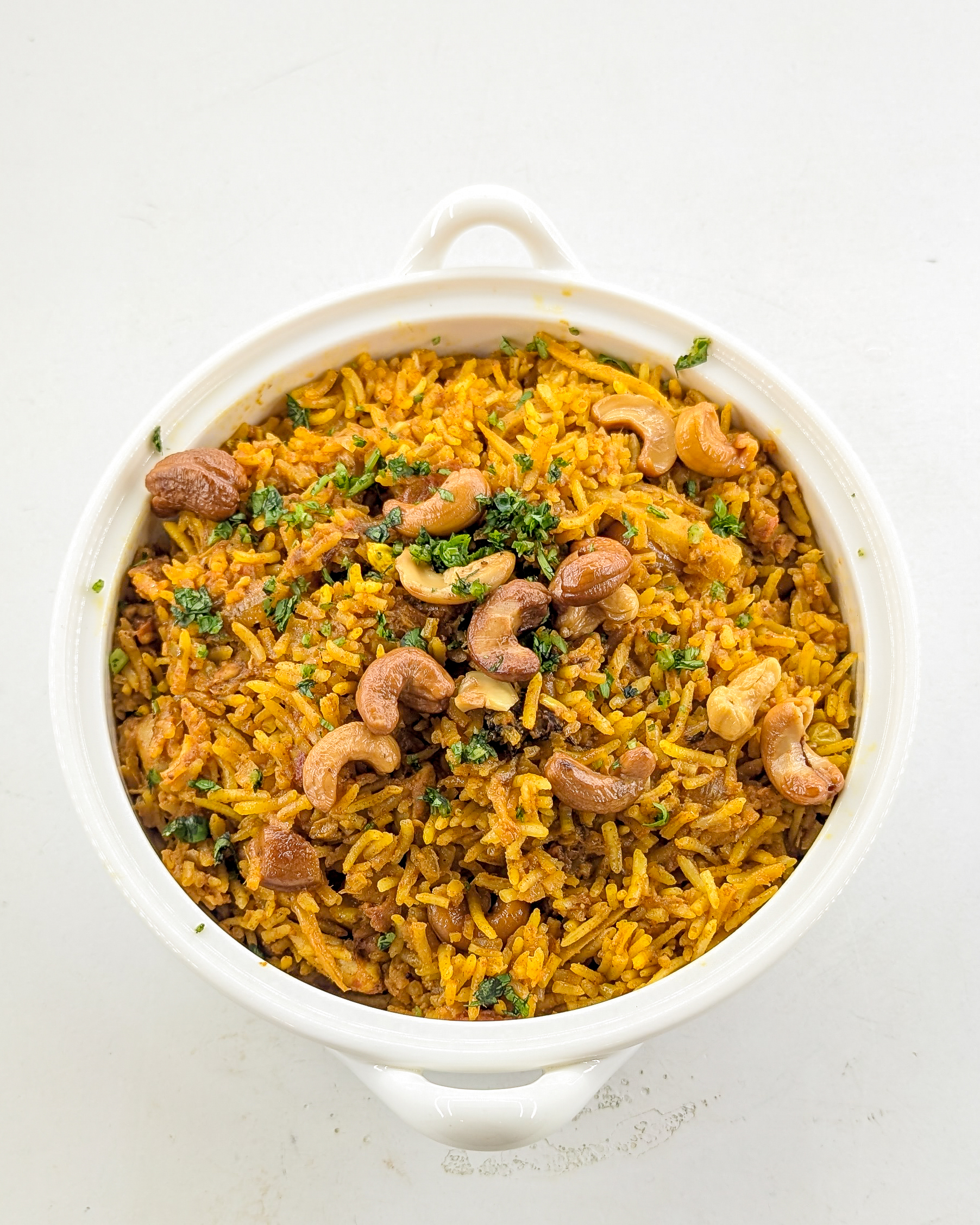
The dish shown above is Murgh Dum Biryani, a luxurious and aromatic Indian rice dish prepared using the traditional dum method — slow-cooking layered basmati rice and marinated chicken in a sealed pot. This style allows all spices, herbs, and natural juices to infuse deeply, creating a biryani that is fragrant, moist, and full of character.

HOW IT TASTES

Murgh Dum Biryani is rich and layered in flavour. You’ll find warmth from whole spices, the savoury depth of marinated chicken, and the buttery aroma of ghee. Each grain of rice holds a balance of spiciness, subtle sweetness from browned onions, and the nutty crunch of roasted cashews. The taste is bold but refined — comforting yet celebratory.

SHORT STORY OF ITS ORIGIN

Murgh Dum Biryani traces its roots to the Mughal kitchens of India, influenced by Persian culinary traditions. Historically, it was prepared for royalty, where chefs used the dum pukht technique — sealing the pot with dough and letting the biryani cook gently over live charcoal. This method trapped moisture and aroma, creating a dish fit for kings.

HOW IT EVOLVED FROM ITS FIRST CREATION

Originally, Murgh Dum Biryani was strictly cooked over charcoal with elaborate marinades and large communal pots. Over time, home cooks and restaurants adapted the method for modern kitchens — using pressure cookers, stovetops, or ovens to recreate the steaming effect.
Additions like cashew nuts, raisins, and fried shallots became more common as regional variations emerged across India.

THE DISH TODAY

Today, Murgh Dum Biryani is one of the most popular biryanis worldwide. You can find it in Indian restaurants, hawker stalls, premium dining spots, and even meal-delivery menus. Despite countless modern shortcuts, the “dum” version remains the gold standard for biryani lovers because of its slow-cooked richness and deep flavours.

AVERAGE PRICE TODAY

  • Singapore hawker/food court: SGD $7–$10
  • Casual Indian restaurant: SGD $12–$18
  • Premium restaurants: SGD $20–$30

RECIPE: MURGH DUM BIRYANI (SERVES 4–5)

Ingredients

For the chicken marinade:

  • 600 g chicken (bone-in preferred)
  • ½ cup yogurt
  • 1 tbsp ginger-garlic paste
  • 1 tsp turmeric
  • 1 tsp chili powder
  • 1 tbsp biryani masala
  • ½ tsp cumin powder
  • ½ tsp coriander powder
  • 1 tsp salt
  • 2 tbsp fried onions (optional)
  • 2 tbsp oil or ghee

For the rice:

  • 2 cups basmati rice (soaked 30 minutes)
  • 4–5 cups water
  • 1 bay leaf
  • 2 cloves, 2 cardamom pods, 1 cinnamon stick
  • 1 tsp salt

For assembling:

  • 2 onions, thinly sliced & fried until golden
  • ¼ cup roasted cashew nuts
  • Fresh coriander & mint, chopped
  • 2 tbsp ghee
  • Optional: saffron infused in warm milk

Instructions

  1. Marinate the chicken
    Combine chicken with yogurt, spices, fried onions, and ghee/oil. Marinate at least 1 hour (overnight is best).
  2. Cook the rice
    Boil water with whole spices and salt. Add soaked rice and cook until 70–80% done. Drain and set aside.
  3. Prepare the biryani pot
    Spread the marinated chicken at the bottom of a heavy pot.
    Add a layer of fried onions, herbs, and cashews.
    Cover with the semi-cooked rice.
    Drizzle ghee and saffron milk on top.
  4. Dum cooking (steaming)
    Seal the pot with foil or dough.
    Cook on low heat for 20–25 minutes until the chicken cooks in its own juice and the rice becomes fluffy.
  5. Serve
    Gently fluff from the sides. Garnish with more herbs and roasted cashews.
Dal Tadka – North India the most comforting and well-loved dishes

Dal Tadka – North India the most comforting and well-loved dishes

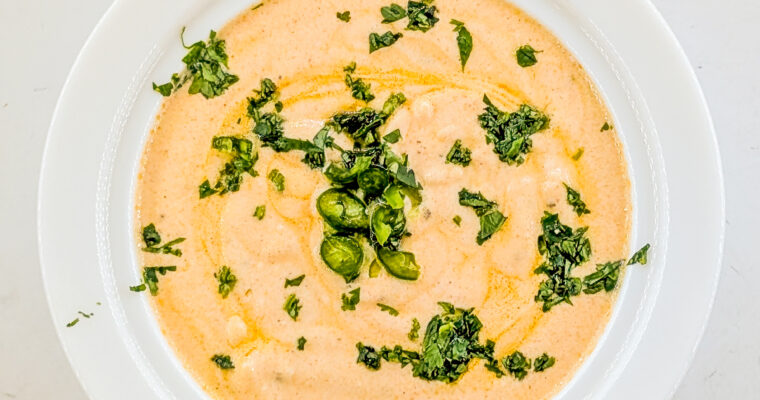
Dal Tadka, also known as Yellow Lentils Tempered with Cumin and Garlic, is one of the most comforting and well-loved dishes from North India. Prepared with moong dal (yellow lentils) and finished with a fragrant tempering of spices, onions, garlic, and ghee, it represents the 

Mango Kheer; an Indian Mango Indulgence

Mango Kheer; an Indian Mango Indulgence

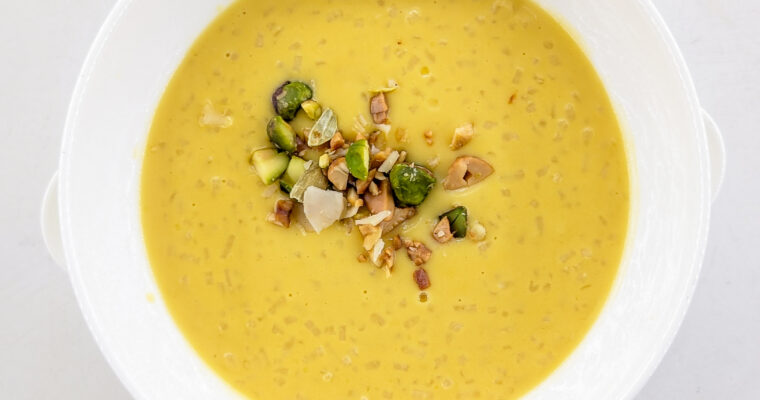
The dish in your photo is Mango Kheer, a creamy Indian-style dessert made by simmering milk with rice or vermicelli, then blending it with ripe mango purée. Your version looks modern and elegant, topped with chopped pistachios and nuts for texture. How It Tastes Mango 

The Smoky Magic of Baba Ghanoush

The Smoky Magic of Baba Ghanoush


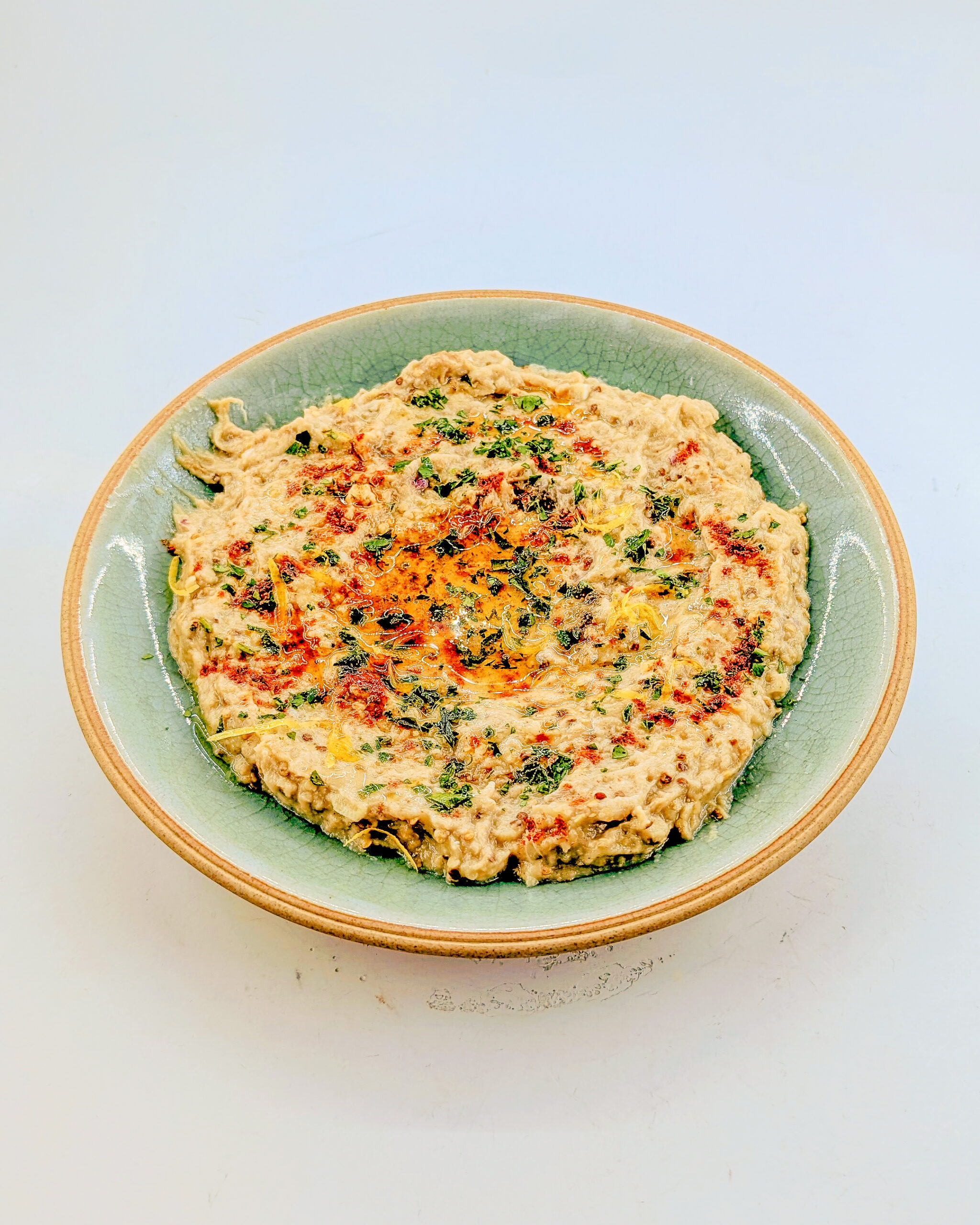
If Hummus is the king of Mediterranean dips, Baba Ghanoush is undoubtedly the sophisticated queen. While they often sit side-by-side on a mezze platter, Baba Ghanoush offers a complexity that chickpeas just can’t match. It is creamy, savory, and defined by one specific flavor profile: an irresistible, deep smokiness.

What is this dish?

Baba Ghanoush is a popular Levantine appetizer or dip made primarily from roasted eggplant (aubergine). The eggplant is cooked until the skin chars and the flesh turns soft and collapsing. This flesh is then scooped out and mixed with tahini (sesame paste), olive oil, lemon juice, and garlic.

Unlike the smooth uniformity of hummus, Baba Ghanoush often has a slightly more rustic, silky texture with strands of eggplant melting into the sauce.

How It Tastes

The defining characteristic of a great Baba Ghanoush is smoke. Because the eggplant is traditionally roasted over an open flame or high heat, the flesh absorbs a fire-roasted flavor that is earthy and robust.

  • The Texture: It is luscious and creamy, thanks to the emulsion of olive oil and tahini.
  • The Balance: The richness of the sesame paste is cut through by the sharp acidity of fresh lemon juice and the bite of raw garlic. It feels lighter on the stomach than bean-based dips but is just as satisfying.

A Short Story of Its Origins

The dish originates from the Levant region (covering modern-day Lebanon, Syria, Jordan, and Palestine), though it is enjoyed throughout the entire Mediterranean and Middle East.

The name itself has a charming folk etymology. In Arabic, Baba means “father” and Ghanoush means “spoiled” or “pampered.” One legend says the dish was invented by a member of a royal harem who mashed the eggplant so that her elderly, toothless master—the “pampered papa”—could eat it without chewing. Another interpretation is that the eggplant itself is the “pampered” item, treated with care and rich oils.

Evolution From Past to Present

Originally, this dish was strictly a product of the open hearth. Villagers would throw whole eggplants directly onto wood or charcoal fires. This wasn’t just for cooking; it was the only way to get that signature flavor.

As the dish migrated to the West and into modern kitchens, the preparation evolved. Today, many recipes (like the one below) utilize high-heat ovens to roast the vegetable. While some purists insist on charcoal, the oven method makes it accessible for any home cook to enjoy this ancient recipe.

Where It Stands Today

Today, Baba Ghanoush is a global health food superstar. Because it is vegetable-based, gluten-free, vegan, and keto-friendly, it fits into almost every modern dietary lifestyle. It is a standard offering in Mediterranean restaurants, usually served with warm pita bread or crunchy vegetable sticks.

Average Price Today

This is an economical dish that feels luxurious.

  • Restaurants: As a mezze or appetizer, a bowl typically costs between $8.00 and $14.00 USD.
  • Home Cooking: Eggplants are generally inexpensive. You can make a large family-sized bowl at home for roughly $4.00 to $6.00, making it a very budget-friendly party snack.

Recipe: Baba Ghanoush

Origin: Mediterranean / Greece Serves: 6 Pax

Ingredients

The Base:

  • 2 nos. Eggplants (small-to-medium size)
  • 2 cloves Garlic, pressed or minced
  • 2 tbsps Lemon juice (more if necessary)
  • 15g Tahini (Sesame paste)
  • 20g Extra-virgin olive oil (reserve a bit for garnish)

Seasonings:

  • 2 tbsps Parsley, chopped (reserve a bit for garnish)
  • To taste Salt
  • 1/4 tsp Cumin, ground
  • Pinch Smoked paprika (for garnish)

Instructions

1. Prep the Oven Preheat your oven to 230°C with a rack in the upper third. Line a large, rimmed baking sheet with parchment paper to prevent sticking.

2. Roast the Eggplants Slice the eggplants in half lengthwise. Brush the cut sides lightly with olive oil. Place them cut-side down on the baking pan. Roast for 35 to 40 minutes.

  • Goal: The interior should be very tender throughout, and the skin should be collapsing. If using large eggplants, this might take longer.

3. Scoop Set the eggplants aside to cool for a few minutes. Flip them over and scoop out the soft flesh with a large spoon. Discard the skins.

4. Strain (Crucial Step) Place a mesh strainer over a mixing bowl. Transfer the scooped flesh into the strainer. Let it rest for a few minutes and shake/stir it to release excess moisture.

  • Why? Removing the “eggplant water” ensures your dip is creamy, not runny.

5. Mash and Mix Discard the liquid. Place the drained eggplant back into the bowl. Add the garlic and lemon juice. Stir vigorously with a fork until the eggplant breaks down. Add the tahini and stir until incorporated.

6. Emulsify While stirring, slowly drizzle in the olive oil. Continue stirring until the mixture is pale and creamy. Use your fork to break up any long strings of eggplant.

7. Season Stir in the parsley, salt, and cumin. Taste it! Add more salt or lemon juice if it needs more “zing.”

8. Serve Transfer to a serving bowl. Use a spoon to create swirls on the surface. Drizzle lightly with olive oil and sprinkle with the remaining parsley and smoked paprika. Serve with pita bread or crackers.