Author: Bima

Salade Niçoise – A Mediterranean Classic in a Bowl

Salade Niçoise – A Mediterranean Classic in a Bowl

This dish is called Salade Niçoise, a classic French salad originating from the sunny coastal city of Nice, France. In the image, the bowl features the essential elements that define this timeless recipe: tuna, anchovies, boiled potatoes, sliced tomatoes, onions, capers, and mixed greens. Fresh, 

Shrimp–Avocado Timbale with Mango Coulis

Shrimp–Avocado Timbale with Mango Coulis

Shrimp-Avocado Timbale with Mango Coulis -a refreshing, elegant, layered cold appetizer that balances creaminess, sweetness, acidity, and subtle spice. The tower is built with alternating layers of mashed or sliced avocado and lightly seasoned shrimp salad, shaped into a neat timbale. It is surrounded by 

Roasted Red Pepper & Tomato Bisque: A Modern Comfort Soup

Roasted Red Pepper & Tomato Bisque: A Modern Comfort Soup


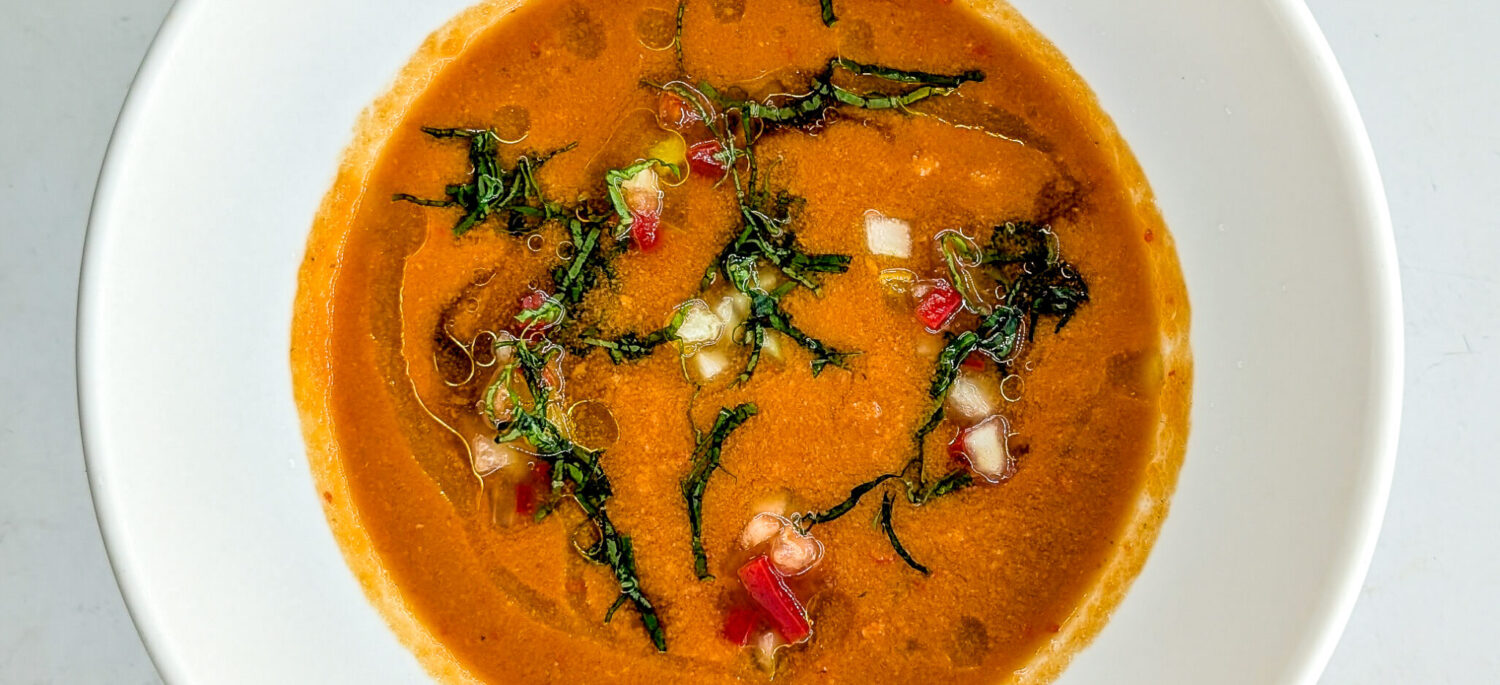
Roasted Red Pepper & Tomato Bisque – a silky, vibrant orange-red soup often garnished with herbs, diced vegetables, and a drizzle of infused oil. Its smooth body, glossy surface, and light toppings suggest a contemporary restaurant-style bisque.

How It Tastes

This bisque is rich, creamy, and deeply aromatic. The roasted red peppers give sweetness and smokiness, while tomatoes add gentle acidity. When blended together, the result is a velvety soup with layers of warmth from garlic, onions, herbs, and sometimes a touch of cream. The garnish-finely sliced herbs, diced vegetables, or basil oil-adds freshness and color contrast.

Short Story of Its Origins

Though bisques originally came from France and were made using shellfish stock, modern chefs have adapted the technique to highlight vegetables. In the early 20th century, vegetable bisques became popular in European kitchens as lighter, more affordable alternatives to seafood versions. The roasted pepper and tomato combination emerged later, inspired by Mediterranean flavors, especially Spanish and Italian cuisines where peppers and tomatoes are staple ingredients.

How the Dish Has Changed Over Time

At first, vegetable bisques were more rustic, chunky, and simply seasoned. As culinary techniques evolved, chefs began roasting vegetables for deeper flavor and blending them into ultra-smooth purées. Over the last decade, the dish shifted again-restaurants now plate it with micro herbs, flavored oils, crispy garnishes, or smoky elements to elevate presentation and taste.

How It Is Served Today

Today, roasted red pepper–tomato bisque is a favorite in modern cafés, hotel restaurants, and fine-casual dining. It may be served with basil oil, chive oil, crème fraîche, grilled sourdough, parmesan crisps, or even infused chili oil for added character. It appeals to diners seeking comfort food that is both healthy and visually appealing.

Average Price Today

Depending on where it is served, the price usually falls between:

  • Singapore: SGD 6–12 per bowl
  • Malaysia: RM 8–15
  • Europe/US: USD 6–10

Upscale restaurants may charge slightly more due to roasted peppers, fresh herbs, and garnishes.


Roasted Red Pepper & Tomato Bisque Recipe

Ingredients

  • 2 large red bell peppers
  • 400 g ripe tomatoes (or 1 can whole peeled tomatoes)
  • 1 medium onion, chopped
  • 3 cloves garlic, minced
  • 1 tbsp olive oil
  • 1 tsp smoked paprika
  • 1 tsp sugar (optional, balances acidity)
  • 500 ml vegetable or chicken stock
  • 80–100 ml cream or milk (optional for creaminess)
  • Salt and pepper to taste
  • Optional garnish: basil oil, diced red peppers, chives, crispy basil

Instructions

  1. Preheat oven to 220°C.
    Roast red peppers until skin blisters and chars. Place in a bowl, cover, and peel once cooled. Remove seeds.
  2. In a pot, heat olive oil.
    Sauté onions until soft, then add garlic and cook until fragrant.
  3. Add roasted peppers, tomatoes, smoked paprika, salt, pepper, and sugar (if needed).
    Stir well.
  4. Pour in stock and bring to a simmer for 15–20 minutes.
  5. Blend until smooth using a hand blender or traditional blender.
    Add cream for richness if desired.
  6. Adjust seasoning.
    Serve hot with basil oil, crispy herbs, or diced vegetables for color and texture.
Seafood Paella: A Bowl of Spanish Coastal Heritage

Seafood Paella: A Bowl of Spanish Coastal Heritage

Seafood Paella is one of Spain’s most iconic dishes, originating from the coastal region of Valencia. The plate in the photo showcases the classic golden rice cooked with saffron and stock, topped with prawns, mussels, squid, chorizo-style meat, and a wedge of lemon — a 

Chicken Tikka: A Timeless Indian Grilled Classic

Chicken Tikka: A Timeless Indian Grilled Classic

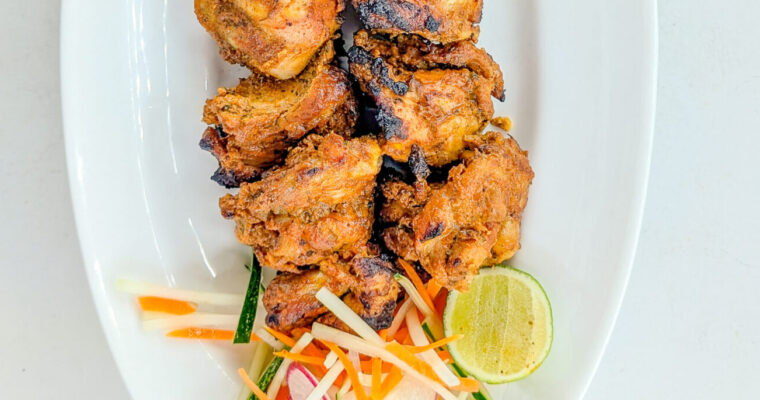
Chicken Tikka – boneless chunks of chicken marinated in yogurt and spices, then roasted until lightly charred. Known for its bold flavor and irresistible smokiness, Chicken Tikka has long been a staple in North Indian cuisine and has become a global favorite. How It Tastes 

Garlic Butter Paprika Shrimp: A Simple Classic with Bold Flavor

Garlic Butter Paprika Shrimp: A Simple Classic with Bold Flavor


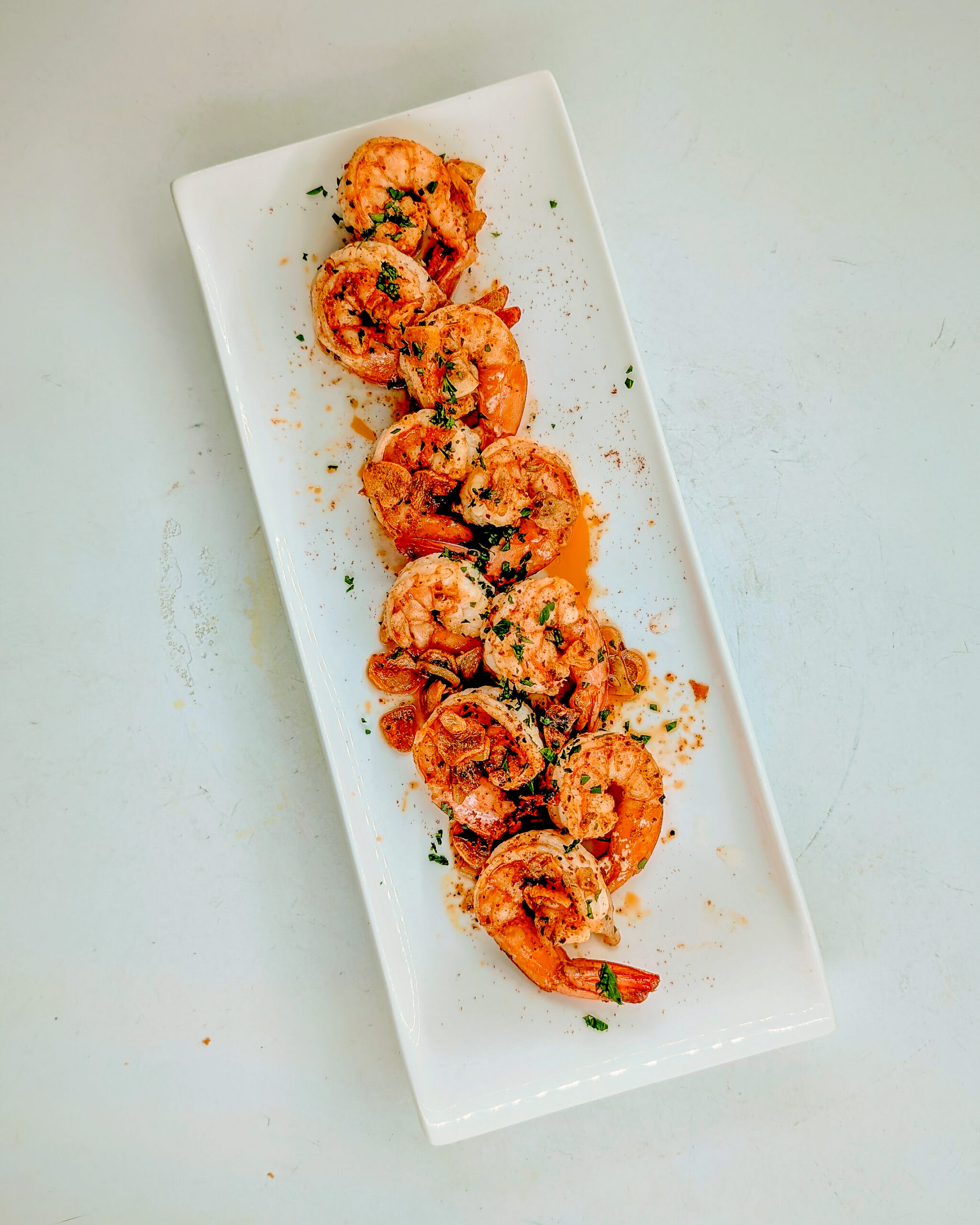
Garlic Butter Paprika Shrimp is a dish celebrated for its simplicity, aroma, and vibrant flavor. It features succulent shrimp sautéed in butter, garlic, paprika, and herbs. The result is a plate that looks elegant yet remains approachable for home cooks and professional kitchens alike.

How It Tastes

The first bite offers a burst of buttery richness followed by the warmth of paprika and the fragrance of toasted garlic. The shrimp are tender, juicy, and lightly smoky, with a hint of freshness from parsley or cilantro. The buttery paprika oil that coats each piece adds depth without overpowering the natural sweetness of the seafood.

A Short Story of Its Origins

This dish traces its roots to Mediterranean and Spanish coastal cooking, where seafood, paprika, olive oil, and garlic are foundational ingredients. Early versions were cooked in clay pots over fire, relying on smoked paprika and fresh-caught prawns. Coastal fishermen often made quick sautéed shrimp dishes like this after long hours at sea, using simple pantry ingredients.

Over time, the method spread across Europe and later the world, especially through tapas culture. In Spanish cuisine, it resembles “Gambas al Ajillo,” while in the Mediterranean, it aligns with garlic-and-spice prawn sautés.

How the Dish Has Changed Over Time

The original preparations were more rustic, using only garlic, olive oil, and sometimes wine. Paprika was introduced later, giving the dish its distinctive warm color and smoky aroma. Modern versions now include butter, chili flakes, lemon zest, or parsley, catering to global palates that prefer richer, more aromatic flavors.

Some contemporary kitchens even elevate it with herb oils, smoked salt, and infused butter, turning a simple fisherman’s dish into a refined appetizer.

How the Dish Is Enjoyed Today

Today, Garlic Butter Paprika Shrimp appears everywhere—from casual home kitchens and seafood shacks to upscale restaurants. It is often served as a tapas-style appetizer, a side dish, or a protein topping for pasta, rice, or toasted bread. Its popularity comes from its versatility, quick preparation, and strong flavor-to-effort ratio.

Average Price Today

The price depends on location and quality of shrimp:

  • Street or casual seafood stalls: SGD 8–12
  • Mid-range restaurants or bistros: SGD 15–22
  • Upscale restaurants: SGD 25–38, depending on prawn size

This makes it one of the more accessible yet premium-feeling seafood dishes.


Recipe: Garlic Butter Paprika Shrimp

Ingredients (Serves 2–3)

  • 350–400 g large shrimp or prawns, peeled (tails optional)
  • 3 tbsp butter
  • 2 tbsp olive oil
  • 5–6 garlic cloves, sliced or minced
  • 1–1½ tsp paprika (sweet or smoked)
  • ¼ tsp chili flakes (optional)
  • Salt and black pepper to taste
  • Juice of ½ lemon
  • 1 tbsp chopped parsley or cilantro

Instructions

1. Prepare the Shrimp

Pat the shrimp dry and season lightly with salt, pepper, and a pinch of paprika.

2. Sauté the Garlic

Heat butter and olive oil in a pan over medium heat.
Add garlic and cook until aromatic and slightly golden, not burnt.

3. Cook the Shrimp

Add shrimp to the pan in a single layer.
Sprinkle the remaining paprika and optional chili flakes.
Cook for 1–2 minutes per side until the shrimp turn pink and slightly caramelized.

4. Add Lemon and Herbs

Turn off the heat and add a squeeze of lemon juice.
Toss gently to coat the shrimp in the paprika butter.
Finish with chopped parsley or cilantro.

5. Serve

Plate on a long rectangular dish, drizzle leftover butter sauce on top, and serve hot with bread, rice, or as a tapas dish.