Author: Bima

The Fiery and Tangy Delight: A Deep Dive into Hot and Sour Soup (Suan La Tang)

The Fiery and Tangy Delight: A Deep Dive into Hot and Sour Soup (Suan La Tang)

Hot and Sour Soup, known in Mandarin as Suan La Tang (酸辣汤), is one of the most iconic comfort dishes in Chinese cuisine. The bowl in the image reflects its classic form – rich brown broth, silky strands of egg, earthy mushrooms, tofu, bamboo shoots, 

Laab Gai (Thai Spicy Chicken Herb Salad)

Laab Gai (Thai Spicy Chicken Herb Salad)

Laab Gai is a classic Thai chicken salad celebrated for its bold, vibrant, and refreshing profile. The dish is typically made with chopped or shredded chicken tossed in a lively mixture of lime juice, fish sauce, chili flakes, toasted rice powder, onions, herbs, and sometimes 

Teochew – Style Fish Soup

Teochew – Style Fish Soup


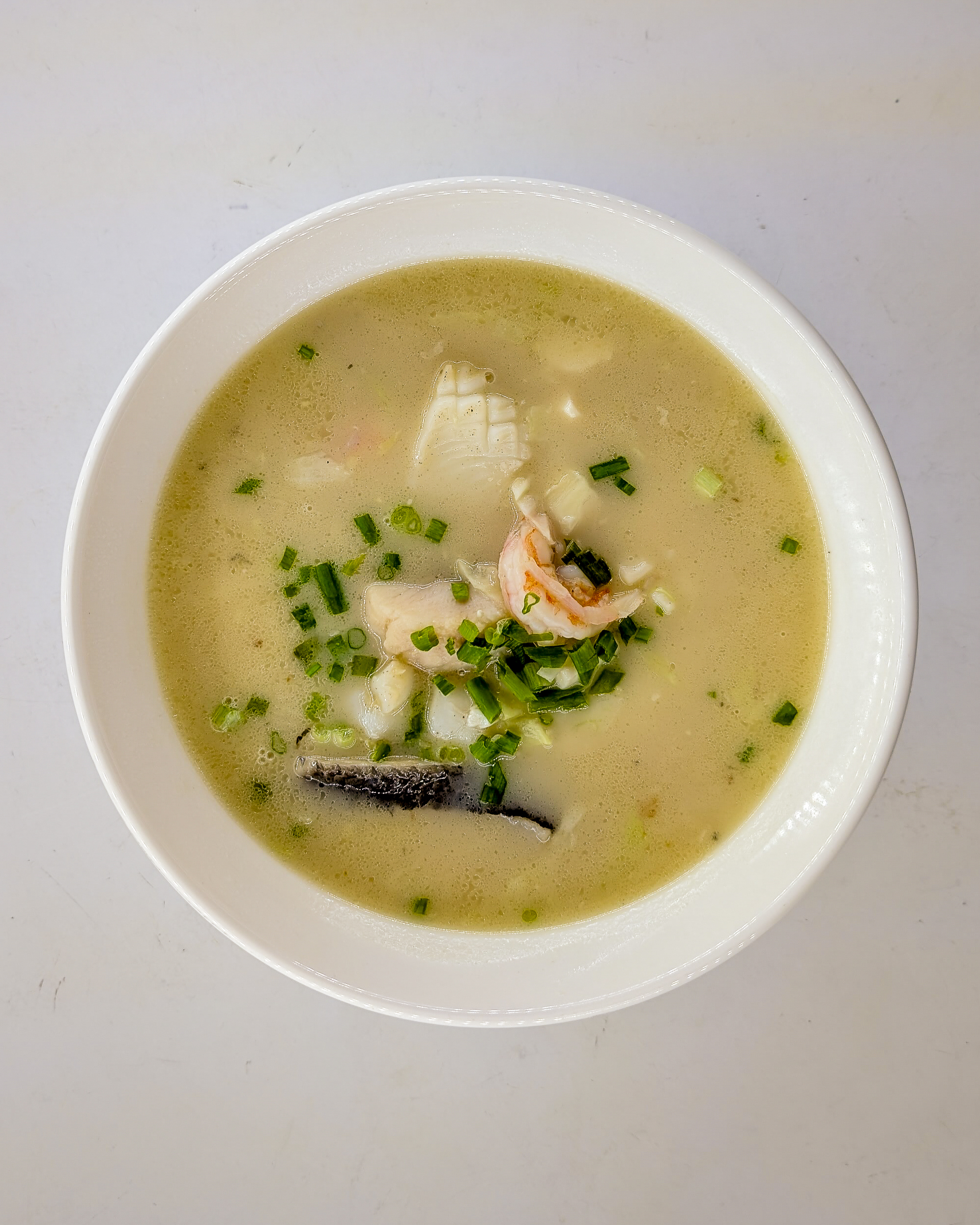
This comforting bowl appears to be Teochew-Style Fish Soup, a beloved staple in Singapore and Malaysia. The soup is typically light, milky, and savory, featuring sliced white fish, prawns, tofu, seaweed, and chopped spring onions—very similar to what is shown in the image.


What This Dish Is

Teochew Fish Soup (also known as Teochew Fish Slice Soup) is a clear or lightly milky broth made with fish bones, fresh sliced fish, vegetables, and sometimes seafood extras such as prawns or squid. The version in your photo includes prawns, seaweed, and spring onions—common modern additions that make the dish heartier.


How It Tastes

The soup is known for its clean, delicate, and naturally sweet flavor, achieved from simmering fish bones with ginger and aromatics.
The broth has a light umami brininess, with subtle hints of ginger heat, while the fresh fish slices remain tender and flaky. Adding prawns brings mild sweetness, and the chives add freshness. Overall, it is soothing, warm, and nourishing, perfect as a comfort meal.


Short Story: Where This Dish Comes From

The dish originates from the Teochew Chinese community, many of whom migrated from Guangdong to Southeast Asia in the 1800s. Fish was abundant and affordable, so a light broth made from fish bones became a staple.
Unlike other Chinese soups that can be heavy or herbal, Teochew soups traditionally lean toward purity and natural flavors, allowing the freshness of the ingredients to shine.

This minimalist cooking philosophy shaped the dish into what it is today: simple but incredibly soulful.


Changes from the Original to Today

Historically, Teochew fish soup was made with

  • only fish slices,
  • salted vegetables,
  • tofu, and
  • a clear broth.

Over time, particularly in Singapore, hawkers adapted it to suit modern tastes by adding:

  • prawns,
  • squid,
  • seaweed,
  • evaporated milk (to make the broth richer),
  • fried shallots,
  • rice noodles or mee sua.

The soup evolved from a humble fisherman’s dish into a well-loved hawker favourite across ages.


How It Is Today

Today, Teochew-style fish soup is a popular lunch dish in Singapore, known for being healthy, light, and comforting. You can find it in hawker centres, food courts, and even modern eateries that use premium fish like batang, red snapper, or grouper.

It remains one of the go-to choices for people looking for something hearty but not oily or heavy.


Average Price

In Singapore, the typical price ranges from:

  • SGD $5 – $8 for a standard bowl with sliced fish
  • SGD $7 – $10 for mixed seafood (fish + prawns + squid)
  • SGD $10 – $14 for premium fish varieties

Recipe: Teochew-Style Fish Soup (With Prawns)

Ingredients (2–3 servings)

  • 250 g white fish fillet (batang, snapper, or seabass), sliced
  • 6–8 prawns, peeled and deveined
  • 1 small piece seaweed (optional)
  • 1 tofu block, cubed
  • 1–2 tomatoes, cut into wedges (optional but common)
  • 1 stalk spring onion, chopped
  • 3 slices ginger
  • 1.2 litres water or light stock
  • 1 tbsp Shaoxing wine (optional)
  • Salt & pepper to taste
  • 1 tbsp light soy sauce
  • A few drops sesame oil
  • 2 tbsp cooking oil
  • Optional: 50 ml evaporated milk (for a richer broth)

Instructions

  1. Prepare the fish
    • Season fish slices lightly with salt and white pepper. Set aside.
  2. Make the broth
    • Heat oil in a pot and fry ginger slices until aromatic.
    • Add prawn shells (if any) and fry to release flavor.
    • Pour in water or stock and bring to a boil.
    • Add tofu and tomatoes, simmer for 8–10 minutes.
  3. Add seafood
    • Add the prawns and fish slices gently so they don’t break.
    • Add seaweed if using.
    • Season with soy sauce, Shaoxing wine, salt, and pepper.
  4. Enrich the broth (optional)
    • Add evaporated milk for a milky finish.
  5. Finish & serve
    • Taste and adjust seasoning.
    • Ladle into bowls and garnish with spring onions and a few drops of sesame oil.
Thai Green Curry (Gaeng Keow Wan): A Bowl of Fragrant Heat and Heritage

Thai Green Curry (Gaeng Keow Wan): A Bowl of Fragrant Heat and Heritage

This is Thai Green Curry, known locally as Gaeng Keow Wan. Recognized instantly by its vibrant green hue, silky coconut base, and pops of red chili and basil, this classic Thai curry is beloved for its creamy, spicy, fragrant, and slightly sweet profile. The balance 

Mee Rebus – A Classic Southeast Asian Comfort Bowl

Mee Rebus – A Classic Southeast Asian Comfort Bowl

This is Mee Rebus, a beloved Southeast Asian noodle dish famous in Malaysia, Singapore, Indonesia, and Brunei. Its name simply means “boiled noodles”, but the experience is far richer than the literal translation. How It Tastes Mee Rebus is known for its thick, sweet-savory gravy 

Nasi Kerabu with Spiced Chicken – A Colourful Malaysian Heritage on a Plate

Nasi Kerabu with Spiced Chicken – A Colourful Malaysian Heritage on a Plate


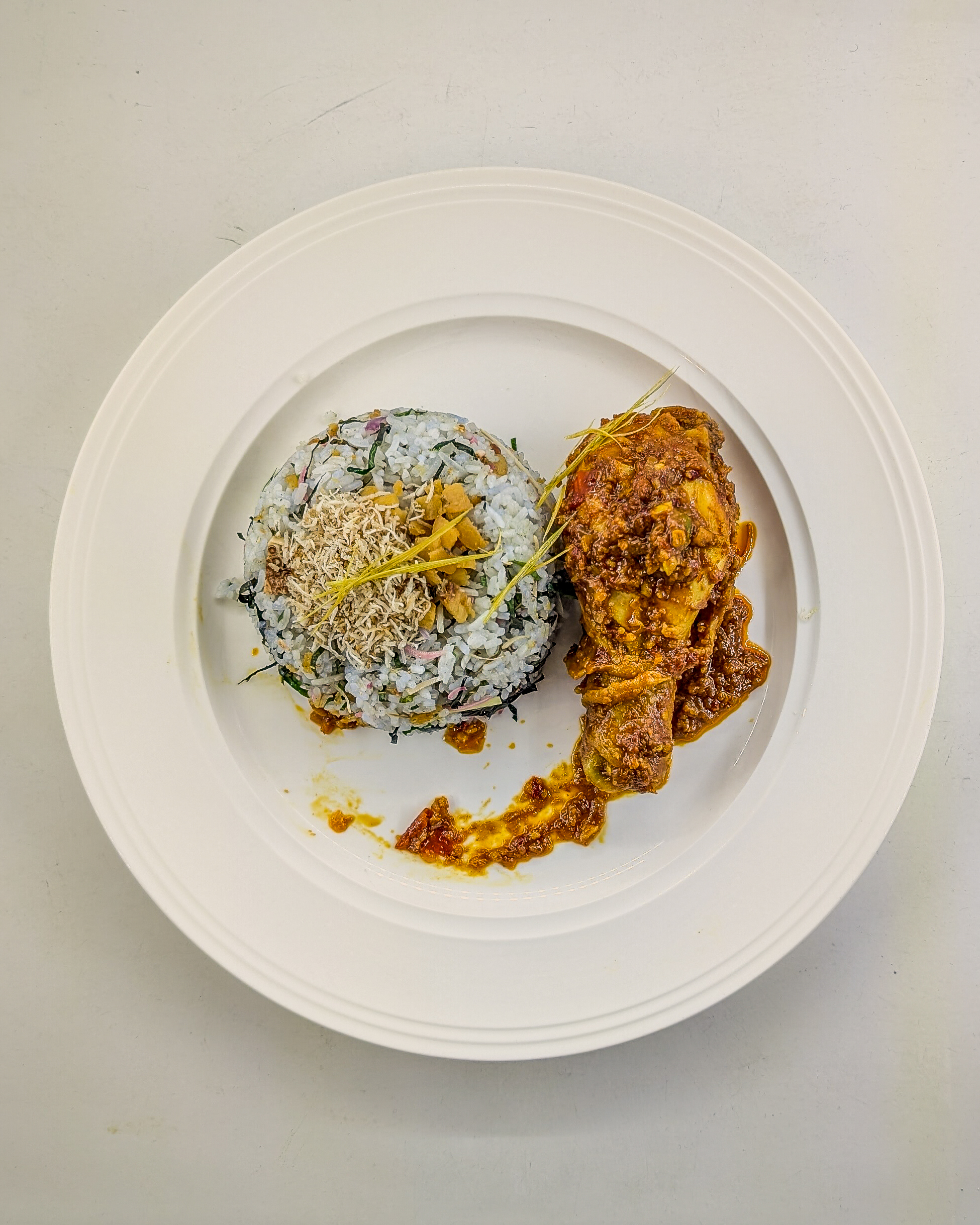
The dish in the image is Nasi Kerabu with Spiced Chicken, a signature Malaysian meal known for its striking blue-tinted herb rice paired with richly seasoned chicken. Nasi Kerabu is instantly recognizable by its vibrant colour and fragrant mix of fresh herbs, toasted coconut, and crunchy condiments. Combined with a deep, spicy chicken gravy, it becomes a beautifully balanced plate of flavour, texture, and aroma.

How It Tastes

Nasi Kerabu is refreshing yet bold.
The rice itself is light, herbaceous, aromatic, and slightly nutty from the combination of shredded herbs and toasted coconut (kerisik). The garnish adds crunch, brightness, and natural sweetness.
The chicken, cooked in a spicy, coconut-based gravy, brings depth: smoky, slightly sweet, savoury, and warmly spiced. Together, it creates a contrast of fresh + fiery, light + hearty, making it one of Southeast Asia’s most beloved comfort foods.

Short Story of Origin

Nasi Kerabu comes from the East Coast of Peninsular Malaysia, particularly Kelantan and Terengganu. Historically, the rice gained its blue colour from bunga telang (butterfly pea flower), which villagers grew in their backyard gardens. The herbs used—torched ginger flower, lemongrass, kaffir lime leaves, ulam—reflected local agricultural life where every household had access to fresh greens and backyard produce.

The dish was traditionally enjoyed during community gatherings, markets, and festive seasons. It was a symbol of togetherness, where families prepared large trays of herbs, sambal, and kerisik in a communal setting.

Has It Changed Over Time?

Originally, Nasi Kerabu used only natural colouring from butterfly pea flowers and simple kampung herbs. Over time, the dish evolved with additional garnishes such as:

  • crispy fish flakes
  • solok lada (stuffed chilies)
  • keropok (fish crackers)
  • various sambals for added heat

The chicken accompaniment also differs today. While traditional versions used Ayam Percik, modern cooks pair it with Ayam Rendang, Ayam Masak Merah, or other spiced variations—just like the richly sauced chicken in your photo.

How It Is Enjoyed Today

Today, Nasi Kerabu appears everywhere—from roadside warungs to modern cafés. Chefs now plate it more elegantly, incorporate modern garnishes, and serve it with contemporary side dishes while preserving its nostalgic flavours. It remains a proudly Malaysian dish that celebrates culture, colour, and culinary identity.

Average Price Today

In Malaysia:

  • Street stalls / warungs: RM7–RM12
  • Cafés / restaurants: RM15–RM25
  • Upscale restaurants / modern plating: RM25–RM40

In Singapore:

  • Hawker centres: SGD 6–9
  • Restaurants: SGD 12–18

Recipe: Nasi Kerabu with Spiced Chicken

Ingredients

For the Nasi Kerabu

  • 2 cups rice
  • 1½ cups butterfly pea flower water (or plain water)
  • ½ cup grated coconut
  • 1 tbsp toasted sesame seeds (optional)
  • 1 stalk lemongrass, finely sliced
  • 2 tbsp kerisik (toasted grated coconut)
  • ¼ cup finely sliced herbs:
    • kaffir lime leaves
    • ulam raja (optional)
    • daun kesum
    • bunga kantan (ginger flower)
  • Salt to taste

For the Spiced Chicken (Rendang/Percik Style)

  • 4 chicken legs or thighs
  • 1 cup coconut milk
  • 2 tbsp chili paste
  • 1 onion, chopped
  • 3 garlic cloves
  • 1-inch ginger
  • 1-inch galangal
  • 2 lemongrass stalks
  • 1 tbsp turmeric powder
  • 1 tbsp coriander powder
  • 1 tsp cumin powder
  • Salt & sugar to taste
  • 2 tbsp oil

Steps

Nasi Kerabu

  1. Cook the rice in butterfly pea flower water (or regular water).
  2. Toast grated coconut until fragrant; set aside.
  3. Once rice is cooked, gently fluff with herbs, lemongrass, kerisik, and salt.
  4. Mix lightly to avoid crushing the herbs.

Spiced Chicken

  1. Blend onion, garlic, ginger, galangal, and lemongrass into a paste.
  2. Heat oil and sauté the paste until fragrant.
  3. Add chili paste and dry spices; cook until oil separates.
  4. Add chicken and coat evenly with the spices.
  5. Pour coconut milk and simmer until thick and glossy.
  6. Adjust seasoning, allow sauce to cling to chicken, and cook until fully tender.

Plating

  • Mold the blue herbed rice using a ring mold.
  • Garnish with kerisik and crispy bits (fried shallots or crackers).
  • Serve the spiced chicken beside it with a spoon of sauce drizzled over.