Month: November 2025

The Smoky Magic of Baba Ghanoush

The Smoky Magic of Baba Ghanoush

If Hummus is the king of Mediterranean dips, Baba Ghanoush is undoubtedly the sophisticated queen. While they often sit side-by-side on a mezze platter, Baba Ghanoush offers a complexity that chickpeas just can’t match. It is creamy, savory, and defined by one specific flavor profile: 

Saffron Risotto – Risotto alla Milanese

Saffron Risotto – Risotto alla Milanese

This beautiful golden dish in your photo is Risotto alla Milanese, one of Italy’s most iconic rice dishes. Known for its luxurious saffron color and creamy texture, this risotto is a symbol of Milan’s rich culinary heritage. What It Tastes Like Risotto alla Milanese is: 

Vitello Tonnato – A Story of Elegance From Piedmont

Vitello Tonnato – A Story of Elegance From Piedmont


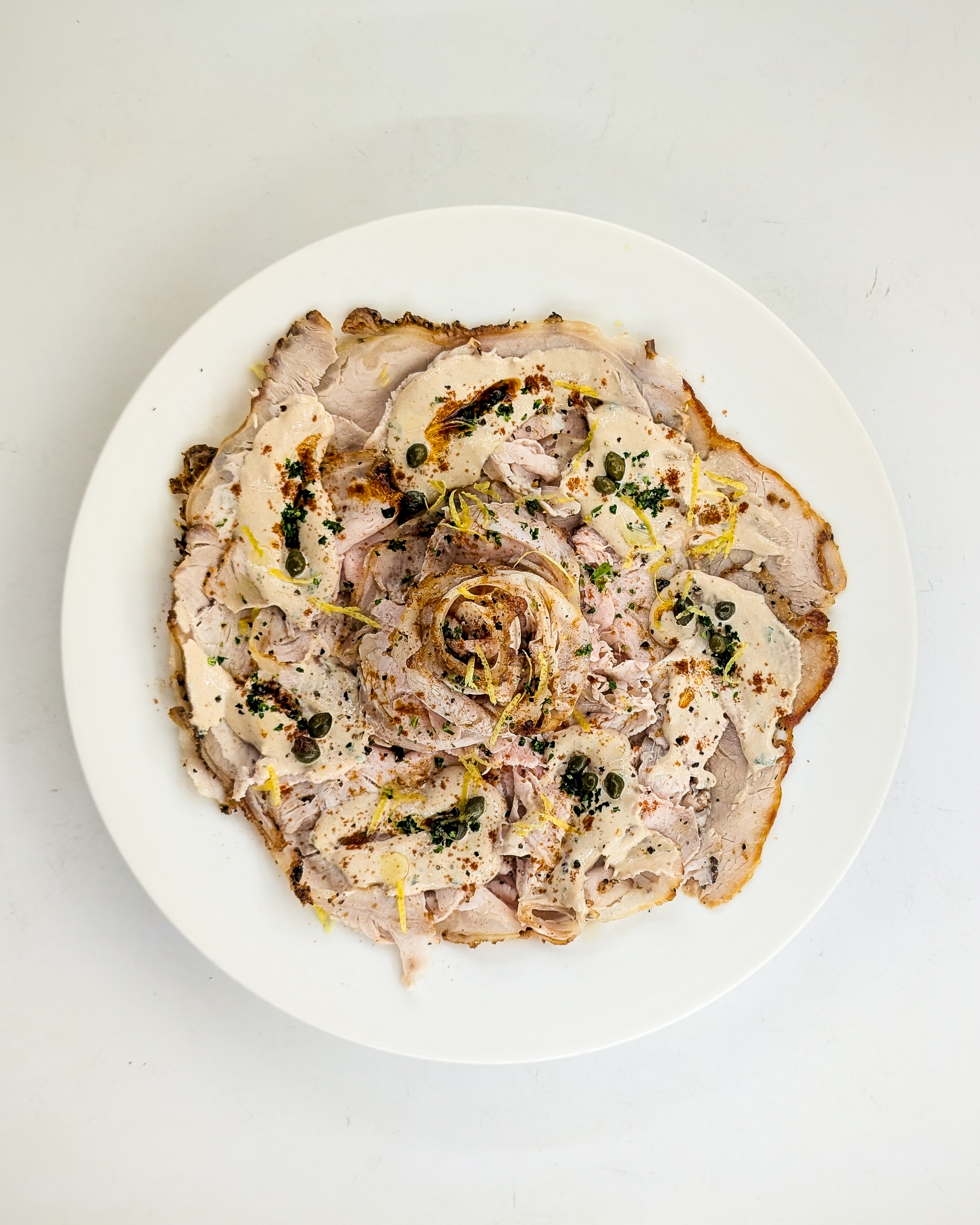
Vitello Tonnato is a dish that surprises many first-timers. Though the idea of pairing veal with tuna might sound unusual, the taste is exceptionally harmonious. The flavour is cool, delicate, creamy, slightly tangy, and deeply savory without being heavy. The veal itself is mild and tender, allowing the tonnato sauce—made from tuna, anchovies, capers, egg yolk, and lemon – to shine with a balanced umami richness.

A Brief History

Vitello Tonnato originated in the Piedmont region of Northern Italy, likely in the 19th century. Piedmontese cuisine is known for using preserved and pantry-friendly ingredients, which explains the use of canned tuna and anchovies. It was traditionally served during festive seasons such as Ferragosto (mid-August holiday), as it could be prepared ahead and served cold – perfect for warm summer days.

Over time, the dish spread throughout Italy and became a staple of holiday tables, trattorias, and family gatherings.

How the Dish Has Evolved

Originally, the veal was braised slowly in a pot with aromatics before being cooled and sliced. The sauce was prepared using hard-boiled egg yolks. Over the years, modern adaptations introduced:

  • Using roasted or sous-vide veal for a cleaner, firmer texture
  • Replacing boiled yolks with fresh yolks to create a silkier emulsified sauce
  • Adding lemon zest for brightness
  • Lighter portions for modern plating styles

Despite these changes, the heart of the dish – veal and tuna sauce – remains unchanged and universally beloved.

How It’s Served Today

Today, Vitello Tonnato appears in fine-dining restaurants, Italian bistros, and even home-style eateries. Modern presentations (like your photo) often emphasize thin, almost translucent slices arranged artistically, topped with capers, chives, and micro herbs.

Average Price

Depending on the restaurant style and ingredient quality, Vitello Tonnato typically costs:

  • Italy: €12–€20 per serving
  • Singapore: SGD $18–$32 in Italian restaurants
  • High-end fine dining: SGD $35–$48

Vitello Tonnato Recipe (Authentic + Modern Style)

Serves: 4–6

Ingredients

For the Veal:

  • 700–900 g veal loin or veal eye round
  • 1 carrot, roughly chopped
  • 1 celery stalk
  • 1 onion, halved
  • 2 bay leaves
  • 5–6 black peppercorns
  • Salt

For the Tonnato Sauce:

  • 150 g canned tuna in oil (drained)
  • 4 anchovy fillets
  • 2 tbsp capers
  • 2 egg yolks
  • 150 ml mayonnaise (or olive-oil emulsion)
  • 1 tbsp lemon juice
  • 1 tsp Dijon mustard
  • 3–4 tbsp veal cooking stock (for thinning)
  • Black pepper

Garnish:

  • Extra capers
  • Lemon zest
  • Chopped parsley or chives
  • Paprika or black pepper

Instructions

1. Cook the Veal

  1. Place veal in a pot with carrot, celery, onion, bay leaves, peppercorns, and salt.
  2. Cover with cold water and bring to a gentle simmer.
  3. Cook until tender (45–60 mins). Do not boil vigorously.
  4. Let it cool in the broth for maximum juiciness.
  5. Chill completely, then slice very thinly.

2. Prepare the Tonnato Sauce

  1. Blend tuna, anchovies, capers, egg yolks, lemon juice, mustard, and mayonnaise.
  2. Add a spoonful of veal broth at a time until the sauce becomes smooth and creamy.
  3. Season with pepper (rarely salt because anchovies and capers are salty).

3. Assemble the Dish

  1. Lay thin slices of veal on a cold plate.
  2. Spread or drizzle tonnato sauce over the meat generously.
  3. Add capers, lemon zest, herbs, and a sprinkle of paprika or cracked pepper.
  4. Chill for 30 minutes before serving—Vitello Tonnato tastes best cold.
Salade Niçoise – A Mediterranean Classic in a Bowl

Salade Niçoise – A Mediterranean Classic in a Bowl

This dish is called Salade Niçoise, a classic French salad originating from the sunny coastal city of Nice, France. In the image, the bowl features the essential elements that define this timeless recipe: tuna, anchovies, boiled potatoes, sliced tomatoes, onions, capers, and mixed greens. Fresh, 

Shrimp–Avocado Timbale with Mango Coulis

Shrimp–Avocado Timbale with Mango Coulis

Shrimp-Avocado Timbale with Mango Coulis -a refreshing, elegant, layered cold appetizer that balances creaminess, sweetness, acidity, and subtle spice. The tower is built with alternating layers of mashed or sliced avocado and lightly seasoned shrimp salad, shaped into a neat timbale. It is surrounded by 

Roasted Red Pepper & Tomato Bisque: A Modern Comfort Soup

Roasted Red Pepper & Tomato Bisque: A Modern Comfort Soup


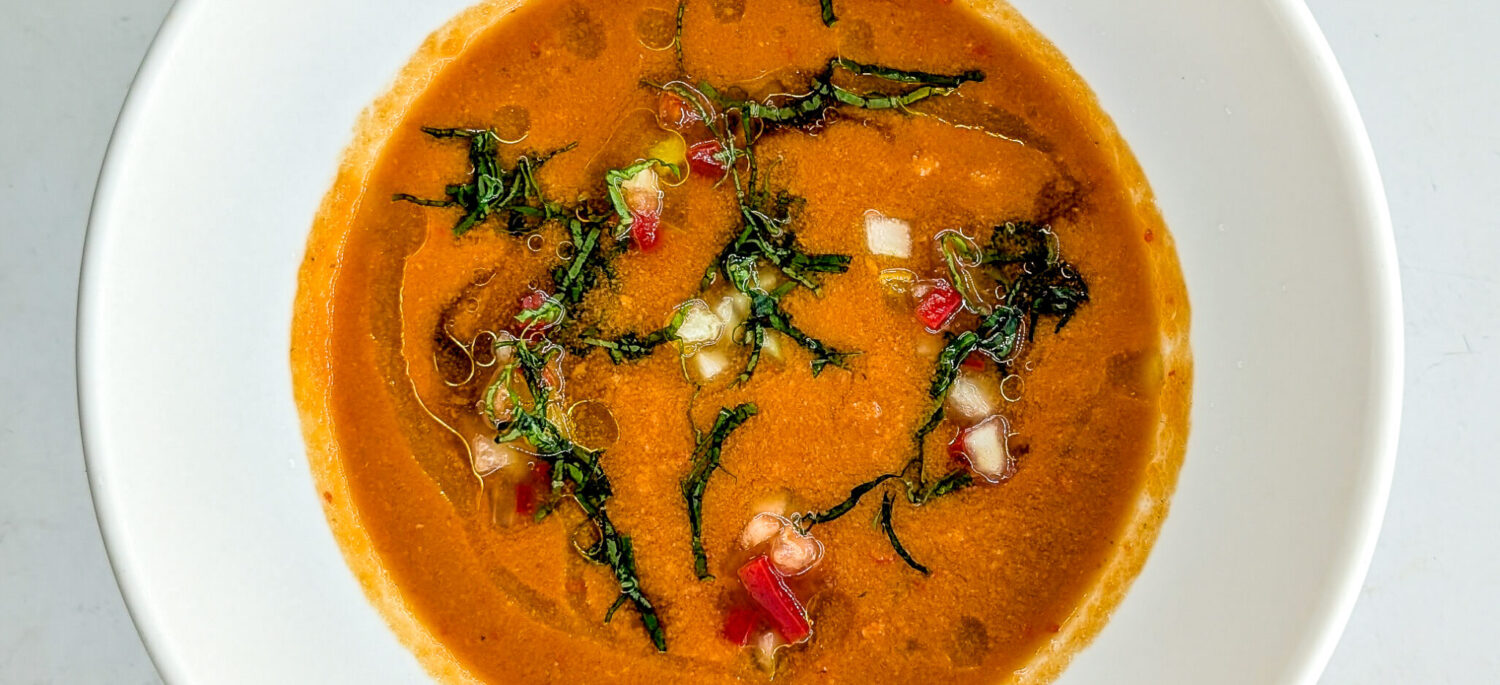
Roasted Red Pepper & Tomato Bisque – a silky, vibrant orange-red soup often garnished with herbs, diced vegetables, and a drizzle of infused oil. Its smooth body, glossy surface, and light toppings suggest a contemporary restaurant-style bisque.

How It Tastes

This bisque is rich, creamy, and deeply aromatic. The roasted red peppers give sweetness and smokiness, while tomatoes add gentle acidity. When blended together, the result is a velvety soup with layers of warmth from garlic, onions, herbs, and sometimes a touch of cream. The garnish-finely sliced herbs, diced vegetables, or basil oil-adds freshness and color contrast.

Short Story of Its Origins

Though bisques originally came from France and were made using shellfish stock, modern chefs have adapted the technique to highlight vegetables. In the early 20th century, vegetable bisques became popular in European kitchens as lighter, more affordable alternatives to seafood versions. The roasted pepper and tomato combination emerged later, inspired by Mediterranean flavors, especially Spanish and Italian cuisines where peppers and tomatoes are staple ingredients.

How the Dish Has Changed Over Time

At first, vegetable bisques were more rustic, chunky, and simply seasoned. As culinary techniques evolved, chefs began roasting vegetables for deeper flavor and blending them into ultra-smooth purées. Over the last decade, the dish shifted again-restaurants now plate it with micro herbs, flavored oils, crispy garnishes, or smoky elements to elevate presentation and taste.

How It Is Served Today

Today, roasted red pepper–tomato bisque is a favorite in modern cafés, hotel restaurants, and fine-casual dining. It may be served with basil oil, chive oil, crème fraîche, grilled sourdough, parmesan crisps, or even infused chili oil for added character. It appeals to diners seeking comfort food that is both healthy and visually appealing.

Average Price Today

Depending on where it is served, the price usually falls between:

  • Singapore: SGD 6–12 per bowl
  • Malaysia: RM 8–15
  • Europe/US: USD 6–10

Upscale restaurants may charge slightly more due to roasted peppers, fresh herbs, and garnishes.


Roasted Red Pepper & Tomato Bisque Recipe

Ingredients

  • 2 large red bell peppers
  • 400 g ripe tomatoes (or 1 can whole peeled tomatoes)
  • 1 medium onion, chopped
  • 3 cloves garlic, minced
  • 1 tbsp olive oil
  • 1 tsp smoked paprika
  • 1 tsp sugar (optional, balances acidity)
  • 500 ml vegetable or chicken stock
  • 80–100 ml cream or milk (optional for creaminess)
  • Salt and pepper to taste
  • Optional garnish: basil oil, diced red peppers, chives, crispy basil

Instructions

  1. Preheat oven to 220°C.
    Roast red peppers until skin blisters and chars. Place in a bowl, cover, and peel once cooled. Remove seeds.
  2. In a pot, heat olive oil.
    Sauté onions until soft, then add garlic and cook until fragrant.
  3. Add roasted peppers, tomatoes, smoked paprika, salt, pepper, and sugar (if needed).
    Stir well.
  4. Pour in stock and bring to a simmer for 15–20 minutes.
  5. Blend until smooth using a hand blender or traditional blender.
    Add cream for richness if desired.
  6. Adjust seasoning.
    Serve hot with basil oil, crispy herbs, or diced vegetables for color and texture.